
Online Trading
We have 9 years experience in Online Trading.
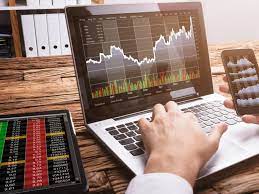
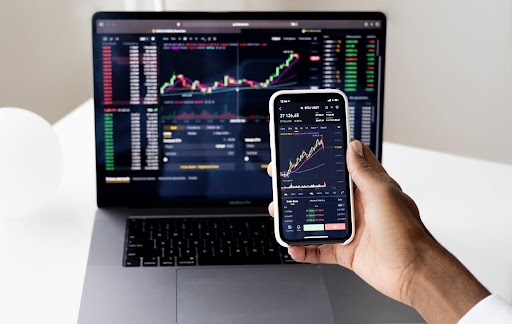
Online trading is the buying and selling of financial instruments over the internet using digital platforms provided by brokerage firms. It has replaced traditional, manual methods of calling brokers by phone or visiting their offices, offering increased accessibility, speed, and lower costs to investors.
How online trading works
To start trading online, investors must complete a few key steps:
Open accounts
You need a trading account to place buy and sell orders and a Demat account to hold securities electronically. These accounts are linked to your bank account for transactions.
Select a brokerage
Choose an online broker that fits your needs by comparing their fees, trading tools, research resources, and platform usability.
Fund your account
Transfer money from your bank account to your trading account to have the funds available for purchases.
Place and execute trades
Use the brokerage's online platform or mobile app to view real-time market data, research potential investments, and place orders. The platform automatically matches your buy or sell order with another investor.
Monitor and manage
After a trade is executed, you can continuously track your portfolio's performance, set stop-loss orders to limit potential losses, and refine your strategies.
Common types of online trading
Several trading styles cater to different levels of risk tolerance and time commitment:
Day trading
Buying and selling financial instruments within the same trading day to profit from small, short-term price movements.
Swing trading
Holding assets for a few days to a few weeks to capitalize on expected price swings or trends.
Positional trading
A long-term strategy involving holding assets for months or years based on fundamental analysis of the asset's potential.
Delivery trading
Purchasing stocks and holding them for an extended period, focusing on long-term wealth creation.
potential.
Algorithmic trading
Using automated software and pre-defined rules to execute trades at high speeds, often used by experienced, institutional traders.
Benefits and risks
Online trading offers several advantages but also carries significant risks.
Convenience
Trade anytime, anywhere, with an internet connection. Market volatility: Rapid price fluctuations can lead to significant and sudden losses.
Lower costs
Online brokers typically charge lower fees and commissions than traditional brokers. Emotional trading: The ease of instant trading can lead to impulsive decisions based on fear or greed.
Greater control
Investors have direct control over their trades without needing an intermediary.
Lack of knowledge
Beginners may misinterpret data and make poor decisions without sufficient market understanding.
Real-time data and tools
Access to live market data, charts, and analysis tools helps investors make informed decisions.
Cybersecurity threats
Online platforms are vulnerable to hacking and data breaches, which can compromise personal and financial information.
Enhanced transparency
All transactions are digitally recorded, providing a clear and transparent record of trading activity. financial information.
Technical issues
System outages, app crashes, or internet connectivity problems can disrupt trading and cause missed opportunities.
Is online trading safe?
- Yes, online trading can be safe, but it is not without risk. To maximize safety, you should: Choose a reputable and regulated brokerage firm.
- Use strong, unique passwords and enable two-factor authentication (2FA) for your accounts.
- Avoid using public Wi-Fi networks when trading.
- Educate yourself on market risks and implement risk management strategies like diversification and stop-loss orders.
- Be cautious of "get-rich-quick" schemes and phishing scams.
Request a Free Call Back
Proin eget tortor risus nulla porttitor accumsan tincidunt